Introduction
Cooperative adventure games are at their best when they give players a reason to work together rather than simply placing two characters on the same screen. Great co-op experiences combine teamwork, creative challenges, exciting gameplay, and memorable stories. Split Fiction, developed by Hazelight Studios and published by Electronic Arts, aims to deliver all these elements in an imaginative adventure built exclusively around cooperative play.
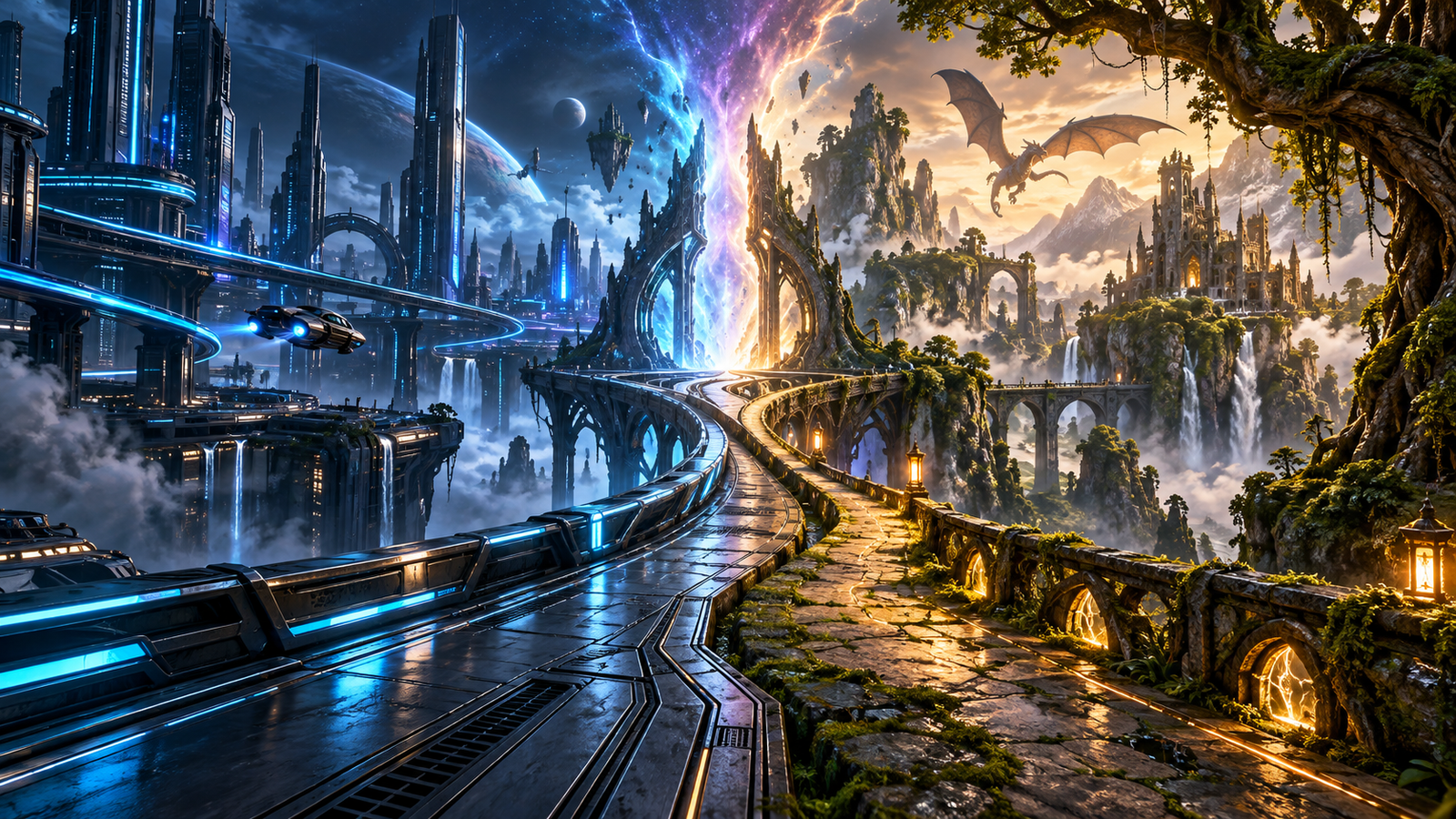
Released in March 2025, Split Fiction quickly attracted attention for its creative level design, constantly changing gameplay mechanics, and commitment to making cooperation the heart of the experience. The game follows two writers, Mio Hudson and Zoe Foster, who become trapped inside worlds inspired by their own fictional stories. One world draws from science fiction, while the other embraces fantasy, creating an adventure that frequently switches between different genres, environments, and challenges.
The result is a game that feels less like a conventional action-adventure title and more like a collection of imaginative experiences connected by a larger narrative. Players might explore futuristic landscapes, battle dangerous creatures, solve environmental puzzles, or participate in unexpected challenges that change the rules of the game.
But does Split Fiction live up to the excitement surrounding it? Is its cooperative gameplay genuinely entertaining, and does the story provide enough substance to keep players invested until the conclusion?
In this detailed Split Fiction review, we examine its story, gameplay mechanics, level design, graphics, performance, cooperative features, strengths, weaknesses, and overall value to determine whether this adventure deserves a place in your gaming collection.
Split Fiction Story: Two Writers, Two Imaginations
Split Fiction introduces players to Mio Hudson and Zoe Foster, two writers with contrasting personalities and creative approaches. Mio specializes in science fiction, while Zoe prefers fantasy storytelling. Their different backgrounds influence their personalities, conversations, and the fictional environments they encounter throughout the adventure.
The story begins when both writers participate in a technological process intended to draw inspiration from their creative ideas. However, the experiment takes an unexpected turn, trapping them inside simulated worlds based on their own stories.
Their situation becomes particularly dangerous because the technology threatens their original ideas and creative identities. Escaping requires them to navigate these fictional environments, overcome obstacles, and work together despite their differences.
The central relationship between Mio and Zoe gives the adventure an emotional foundation. Their contrasting personalities create opportunities for humor, disagreement, and character development. As they progress, they gradually learn to understand each other’s perspectives and recognize the importance of collaboration.
The writing benefits from the way the game incorporates its characters’ creative interests into the adventure itself. Instead of presenting the protagonists as ordinary characters traveling through unrelated levels, Split Fiction connects their identities directly to the worlds they explore.
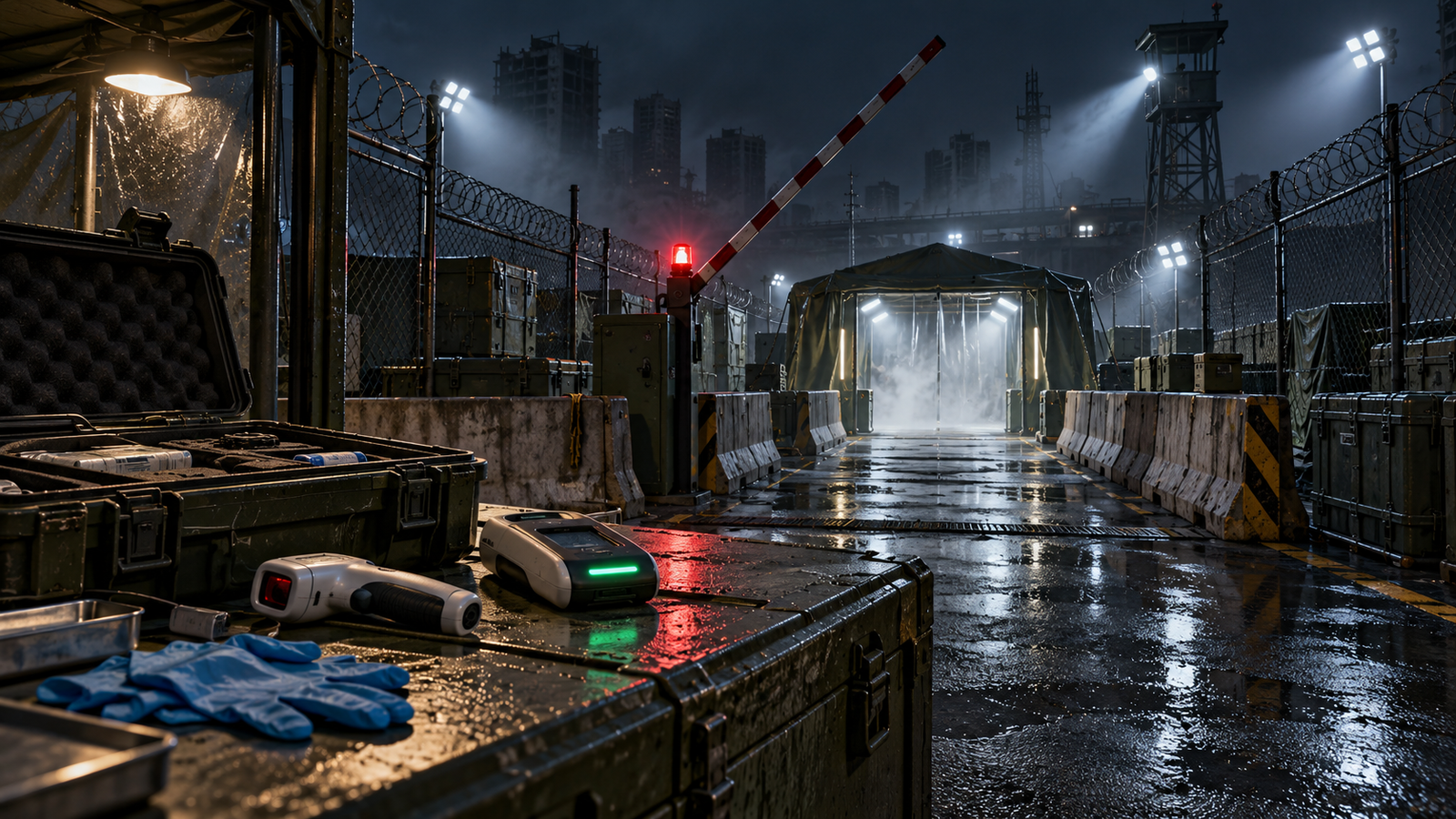
The science-fiction sections frequently emphasize advanced technology, futuristic machines, and strange experiments. Fantasy environments introduce magical creatures, imaginative landscapes, and supernatural challenges. Moving between these settings keeps the story visually interesting while reinforcing the differences between the two writers.
However, the narrative is not equally compelling throughout. Some story developments follow familiar adventure-game conventions, and certain supporting characters receive limited attention. Players looking for a deeply complex science-fiction narrative or an extensive fantasy epic might find the storytelling relatively straightforward.
Nevertheless, the relationship between the protagonists provides enough personality to keep the journey engaging. Split Fiction understands that a cooperative adventure needs more than impressive environments; it also needs characters whose experiences make the journey meaningful.
Gameplay: Cooperation Is the Main Attraction
The most important aspect of Split Fiction is its cooperative gameplay. Unlike many action-adventure games that offer multiplayer as an optional addition, this title is designed specifically for two players.
Both participants experience the adventure together, with each level presenting situations that encourage communication, coordination, and shared problem-solving.
The game regularly introduces mechanics that require players to combine their abilities or complete different tasks simultaneously. One player might activate a mechanism while the other navigates a dangerous area. Another challenge might require both participants to coordinate their movements to avoid obstacles or reach a difficult location.
These situations create a satisfying rhythm. Players must observe their surroundings, discuss possible solutions, and react quickly when their plans go wrong.
Importantly, cooperation rarely feels like an unnecessary restriction. The two-player design shapes the encounters, puzzles, and environmental challenges, making teamwork an essential part of the experience.
The game also avoids relying on one mechanic for too long. Just when players become comfortable with a particular style of gameplay, the adventure introduces another idea.
Some sections emphasize platforming, while others focus on combat, puzzle-solving, timing, or unusual movement abilities. This variety helps prevent the experience from becoming repetitive.
The result is an adventure that constantly encourages players to adapt. Instead of mastering one set of mechanics and using it throughout the entire campaign, players must repeatedly learn new rules and discover how to use them effectively.
For friends who enjoy experimenting with games together, this design is one of Split Fiction’s greatest strengths.
Level Design and Creative World-Building
Split Fiction’s level design is among its most impressive features. The developers use the contrast between science fiction and fantasy to create environments that feel different in both appearance and gameplay.
Futuristic locations feature advanced machinery, technological hazards, unusual architecture, and imaginative interpretations of the future. Fantasy settings introduce magical landscapes, mythical creatures, and environments that appear to come directly from a writer’s imagination.
These visual differences help the adventure maintain a strong sense of discovery.
The most successful levels also connect their environments to their gameplay mechanics. Rather than simply decorating a conventional platforming stage with futuristic objects or fantasy creatures, the game frequently builds challenges around the defining characteristics of each world.
Players may encounter unusual movement systems, environmental transformations, or interactive objects that completely change how they approach an obstacle.
This approach makes exploration rewarding because players cannot always predict what the next area will demand from them.
The optional side stories are another highlight. These activities provide additional opportunities to experience unusual fictional scenarios outside the main narrative. They often introduce mechanics or concepts that differ from the surrounding levels, making exploration feel worthwhile.
For players who enjoy discovering hidden areas and unexpected gameplay variations, these optional experiences add considerable value.
The main weakness is that not every sequence achieves the same level of originality. Some platforming sections use familiar conventions, and certain encounters can feel less surprising than the game’s most inventive moments.
Even so, the overall level design demonstrates impressive creativity. Split Fiction repeatedly finds ways to make its environments feel like active participants in the adventure rather than simple backgrounds.
Puzzles and Problem-Solving
Puzzle-solving plays an important role in Split Fiction, although the game does not approach every challenge in the same way.
Some puzzles require players to understand environmental patterns, manipulate objects, or coordinate actions. Others focus more on timing, movement, and the careful use of newly introduced abilities.
The cooperative structure creates opportunities for satisfying moments when both players understand how a challenge works and successfully execute their solution.
Communication is particularly important when players have different responsibilities. One person might need to identify a pattern while the other performs the corresponding action. In other situations, both players must synchronize their movements to progress.
Most challenges are designed to remain approachable without removing the satisfaction of solving them.
This balance makes the game suitable for players with different levels of gaming experience. Someone familiar with platformers can help a less experienced partner understand movement and timing, while the less experienced player can contribute through observation and communication.
However, players seeking extremely difficult puzzles may occasionally find the challenges too straightforward. Split Fiction prioritizes pacing, variety, and accessibility over consistently demanding brainteasers.
That decision works well for a broad cooperative audience. The puzzles support the adventure rather than interrupting it for extended periods.
Combat and Action Sequences
Although Split Fiction is not exclusively an action game, combat and fast-paced encounters provide important changes of pace.
Depending on the level, players may face enemies, environmental threats, or challenges that require quick reactions. These sequences often incorporate the abilities and mechanics introduced within the current setting.
Combat generally benefits from the cooperative structure because players must remain aware of each other’s positions and respond to changing situations.
The game also avoids making combat the sole focus of the experience. Action sequences are balanced with exploration, puzzles, platforming, and unusual interactive scenarios.
This variety keeps the adventure from becoming a repetitive cycle of fighting increasingly powerful enemies.
Some encounters are more memorable than others, and players who prefer deep combat systems may find the fighting less sophisticated than what specialized action games offer. Nevertheless, combat works effectively within the broader experience.
Its main purpose is to create excitement, encourage teamwork, and provide another way to interact with the game’s imaginative worlds.
Graphics, Visuals, and Art Direction
Split Fiction features a colorful and visually varied presentation that supports its central concept.
Rather than relying on a single consistent environment, the game moves between dramatically different fictional settings. This gives the developers considerable freedom to experiment with architecture, lighting, colors, character designs, and environmental effects.
Science-fiction environments can feel mechanical, futuristic, and sometimes unsettling. Fantasy locations often emphasize imaginative creatures, magical landscapes, and more whimsical designs.
The contrast makes the transitions between worlds particularly effective.
Character animations also contribute to the presentation. Movement, reactions, and interactions help communicate the protagonists’ personalities while making cooperative sequences easier to follow.
Visual effects are especially useful during action scenes and environmental puzzles. Players need to recognize interactive objects, understand incoming hazards, and identify the elements relevant to their next objective.
The game generally balances visual spectacle with gameplay readability.
Its art direction is more important than simply producing realistic graphics. The environments need to look like places created by two different imaginations, and the game’s visual variety supports that goal.
Players seeking photorealistic environments might not consider every scene visually groundbreaking, but those who appreciate imaginative worlds and expressive art direction will find plenty to enjoy.
Sound Design and Music
Sound design helps distinguish Split Fiction’s different environments and gameplay situations.
The audio presentation shifts according to the setting, supporting the transition between futuristic action, fantasy exploration, and more relaxed sequences.
Environmental sounds help establish atmosphere, while combat effects and movement cues provide feedback during challenging encounters.
Music contributes to the emotional rhythm of the adventure. More energetic sequences benefit from dramatic musical arrangements, while quieter moments allow the story and character interactions to take center stage.
Dialogue is another important component. Mio and Zoe’s conversations provide context, personality, and humor throughout the journey.
Their exchanges also help maintain momentum between major gameplay sequences, ensuring that the adventure does not feel like a disconnected collection of levels.
The soundtrack may not dominate players’ memories in the same way as the game’s most spectacular environments, but it supports the overall experience effectively.
Together, the music, dialogue, and sound effects create an immersive presentation that complements the cooperative gameplay.
Multiplayer Experience: Can You Play With a Friend Easily?
Split Fiction is designed around two-player cooperation, making its multiplayer features central to the game’s appeal.
Players can experience the campaign together through local split-screen play or supported online cooperative play. The game is designed so that both participants can experience the same adventure without requiring separate campaign progressions.
One particularly attractive feature is the Friend’s Pass system. It allows an owner of the full game to invite a friend to join the cooperative experience without requiring that friend to purchase another full copy, subject to the supported platform and access requirements.
This reduces one of the biggest barriers to cooperative gaming: convincing another person to buy a game before they know whether they will enjoy it.
The game’s shared progression also makes it easier for friends to enjoy the adventure as a joint experience rather than as two independent campaigns.
However, there is an important limitation. Split Fiction does not offer a conventional single-player campaign with an AI-controlled partner replacing the second player.
You need another person to experience the game as intended.
That requirement is both its greatest strength and its most significant limitation.
Playing with a friend who communicates regularly can make puzzles, action sequences, and unexpected failures much more entertaining. On the other hand, finding a reliable partner can be difficult for players whose friends have different schedules or gaming preferences.
Online cooperation also depends on a suitable internet connection, while local play requires both participants to share the same setup.
If you have someone ready to play with you, the cooperative design is a major advantage. If you primarily play alone, Split Fiction may not be the right choice.
Performance and Technical Quality
A cooperative adventure needs reliable performance because technical problems can interrupt the timing and coordination required by its gameplay.
Split Fiction was released for PlayStation 5, Xbox Series X|S, and PC, with a Nintendo Switch 2 version arriving later in 2025.
Performance can vary according to the platform, hardware configuration, graphical settings, and software updates. PC players should check the current system requirements before purchasing, especially if they use older hardware.
The game’s detailed environments, visual effects, and frequent gameplay transitions make technical stability important. Smooth movement helps platforming feel responsive, while reliable synchronization is essential during online cooperative sequences.
Players should also consider their preferred display setup. Local split-screen play provides a convenient way to enjoy the game together, but both participants share the available screen space.
As with any modern game, checking recent platform-specific performance reports can help buyers understand whether the current version meets their expectations.
Overall, Split Fiction’s technical presentation supports its ambitious design, although individual experiences may differ depending on hardware and network conditions.
Difficulty and Accessibility
Split Fiction generally aims to make its adventure enjoyable for a broad range of players.
Its constantly changing mechanics introduce challenges without requiring participants to master one complicated combat or progression system. The game provides opportunities to learn new abilities through practical use.
This makes it approachable for players who enjoy adventure games but do not necessarily specialize in difficult platformers.
However, accessibility and difficulty should not be confused with the complete absence of demanding moments.
Certain sequences require precise movement, quick reactions, or effective coordination between partners. Players who struggle with platforming or timing may need additional attempts.
The cooperative format can help because experienced players can support less experienced partners. Nevertheless, both participants need to remain engaged and contribute to the experience.
The game is particularly suitable for friends, couples, siblings, and family members who want an adventure that encourages communication.
Its changing mechanics also make it attractive to experienced players who are tired of repetitive multiplayer games.
Players seeking highly competitive gameplay, extensive character customization, or complex long-term progression systems may find the experience less appealing.
Split Fiction focuses on a curated cooperative journey rather than an endlessly replayable multiplayer ecosystem.
How Long Is Split Fiction?
Split Fiction is a substantial adventure, although the exact completion time depends on how thoroughly players explore its environments.
Players who concentrate on the main story can generally expect a campaign lasting around 12 to 15 hours, with additional time required to discover optional activities and revisit missed content.
Players who enjoy exploring every available side story may spend longer completing the adventure.
This length works well for a cooperative game because it offers enough variety to develop the characters and explore numerous gameplay ideas without becoming excessively long.
The campaign’s changing mechanics also help maintain momentum. Instead of spending many hours repeating the same activities, players encounter different challenges throughout the journey.
The optional content adds replay value for people who want to discover additional scenarios, but Split Fiction is not designed around unlimited endgame progression.
Once the main adventure is complete, players may have fewer reasons to return unless they want to experience missed content or play with another partner.
For most players, the campaign offers a satisfying amount of content for a story-driven cooperative game.
Split Fiction: Pros and Cons
Pros
1. Outstanding cooperative design: The entire adventure is built around two-player teamwork, making cooperation meaningful throughout the campaign.
2. Excellent gameplay variety: Platforming, puzzles, combat, exploration, and unusual mechanics keep the experience fresh.
3. Imaginative level design: The contrast between science-fiction and fantasy creates numerous memorable environments.
4. Engaging character dynamics: Mio and Zoe’s contrasting personalities give the story humor and emotional depth.
5. Rewarding optional content: Side stories introduce additional scenarios and provide incentives to explore.
6. Accessible multiplayer experience: The Friend’s Pass can make it easier to play with someone who does not own the full game.
7. Strong presentation: Colorful visuals, expressive animations, and effective sound design support the adventure.
Cons
1. No conventional solo campaign: Players need another person to enjoy the game as intended.
2. Uneven challenge levels: Some puzzles and encounters may feel too easy for experienced players.
3. Straightforward storytelling: The narrative has engaging moments but does not always reach the complexity of the most ambitious story-driven games.
4. Limited long-term progression: Players seeking extensive endgame activities or competitive multiplayer may want more content.
5. Partner dependency: The experience depends heavily on finding someone willing to play and cooperate.
6. Variable replay value: Once the main story and optional activities are completed, there may be limited reasons to return.
Is Split Fiction Worth Playing in 2026?
Whether Split Fiction is worth playing in 2026 depends primarily on what you want from a game.
If you enjoy cooperative adventures, creative platforming, and story-driven experiences, it remains a compelling option. Its greatest achievement is the way it continually changes the gameplay without losing sight of its central cooperative identity.
Many multiplayer games rely on competitive matches, repetitive missions, or long-term progression systems. Split Fiction takes a different approach by offering a carefully structured adventure filled with unexpected situations.
This makes it particularly attractive to players who want to complete a memorable campaign with a friend.
The Friend’s Pass further strengthens its value by reducing the cost of getting another person involved, although platform compatibility and other access requirements should be checked before playing.
The game is also a strong choice for people who enjoyed Hazelight Studios’ earlier cooperative adventures, especially those who appreciate creative mechanics and character-focused storytelling.
However, it is not an ideal purchase for everyone.
Solo players who prefer complete independence should look for an adventure designed specifically around single-player gameplay. Competitive multiplayer fans may also prefer games with deeper progression, ranked modes, or regularly updated online content.
Before purchasing, consider whether you have a reliable cooperative partner and whether the game’s asking price fits your budget. Checking current platform pricing and available discounts can help you determine its value.
For the right audience, Split Fiction delivers a memorable adventure that justifies its reputation as one of the standout cooperative releases of its generation.
Final Verdict: Should You Play Split Fiction?
Split Fiction is an excellent cooperative adventure that combines imaginative world-building, varied gameplay, entertaining puzzles, and a story about creativity and collaboration.
Its biggest achievement is its ability to keep introducing new ideas. The game rarely allows one mechanic to dominate the entire experience, and its contrasting science-fiction and fantasy settings provide a strong foundation for experimentation.
Mio and Zoe’s relationship gives the adventure a personal dimension, while the cooperative structure turns ordinary challenges into shared experiences. Solving a difficult puzzle together, discovering an unexpected side story, or narrowly escaping a dangerous encounter can create memorable moments that extend beyond the game itself.
The experience is not flawless. Its story can be predictable, some challenges lack depth, and the absence of a traditional solo mode limits its audience. Its replay value is also more dependent on the enjoyment of the campaign than on extensive post-game activities.
Nevertheless, these limitations do little to undermine its central achievement.
For friends, couples, and families looking for a cooperative game with substantial variety and a satisfying narrative journey, Split Fiction deserves serious consideration.
Final Rating: 9/10
Verdict: Highly recommended for cooperative adventure fans. If you have a willing partner and enjoy creative gameplay, Split Fiction is well worth playing in 2026.