Introduction
The Little Nightmares franchise has established itself as one of the most recognizable names in atmospheric horror gaming. Rather than relying on constant jump scares, graphic violence, or complicated combat systems, the series builds fear through disturbing environments, unsettling characters, environmental storytelling, and the vulnerability of its small protagonists. With Little Nightmares III, the franchise takes another step forward by introducing new characters, a fresh setting, and a cooperative gameplay experience that changes how players approach its nightmarish world.
Developed by Supermassive Games and published by Bandai Namco Entertainment, Little Nightmares III follows Low and Alone, two children attempting to escape a dangerous world known as the Spiral. Each character possesses a distinctive tool that helps them overcome environmental obstacles, solve puzzles, and survive encounters with terrifying creatures.
However, the third main entry faces an important challenge: can it deliver the same memorable atmosphere and unsettling storytelling that made its predecessors successful while introducing enough new ideas to justify another adventure?
In this review, we examine the game’s story, graphics, gameplay, puzzles, horror elements, cooperative features, performance, and overall value to determine whether Little Nightmares III is worth playing.
Story and Setting: Welcome to the Spiral
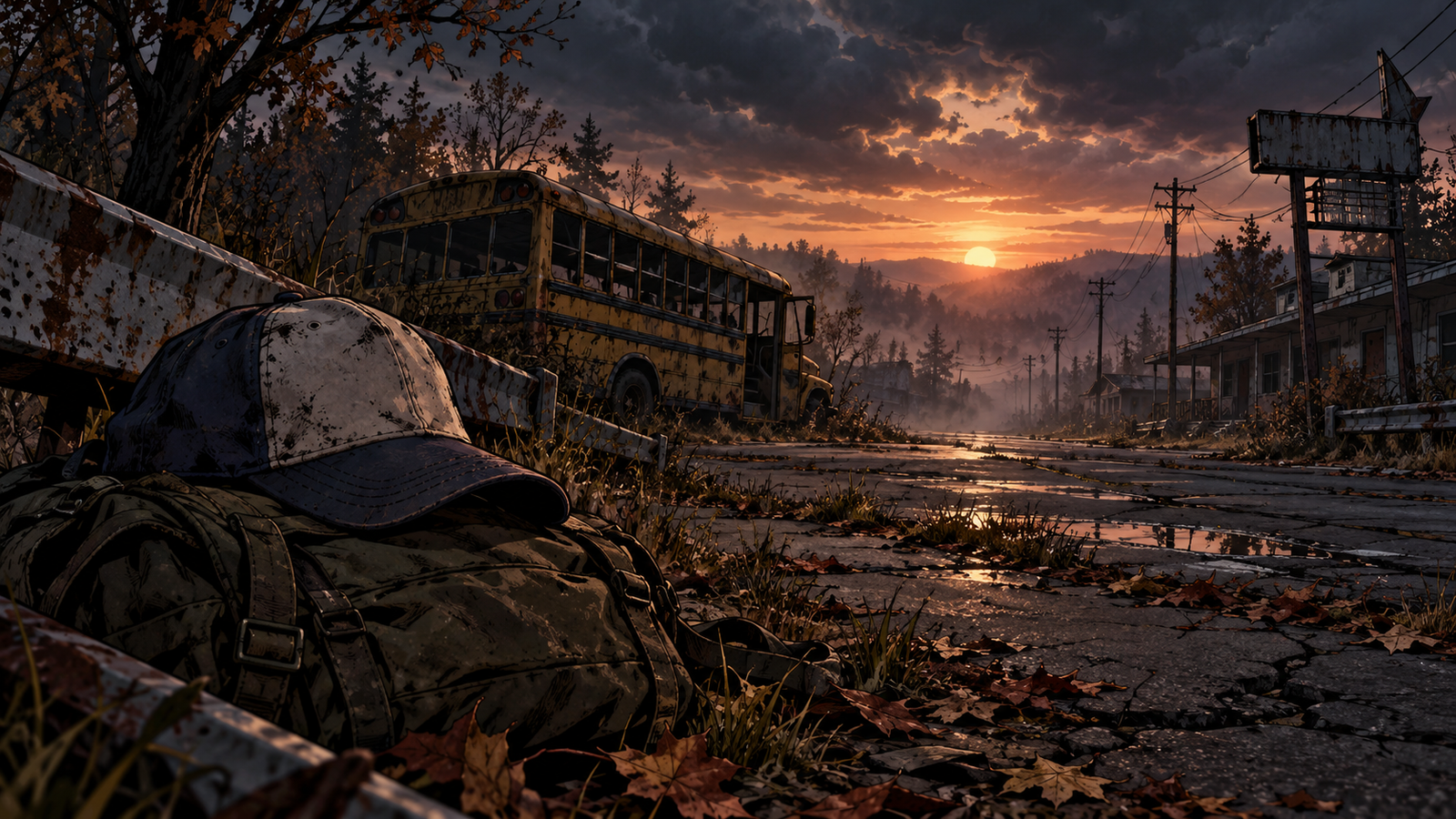
One of the most appealing aspects of Little Nightmares III is its mysterious setting. Instead of presenting a straightforward horror narrative, the game invites players into a collection of disturbing locations filled with hidden details, strange creatures, and unsettling environmental clues.
The adventure follows Low and Alone as they attempt to escape the Spiral, a nightmarish realm filled with dangerous environments and supernatural threats. Their journey takes them through locations that feel disconnected from ordinary reality, creating the impression that the characters are trapped inside a terrible dream.
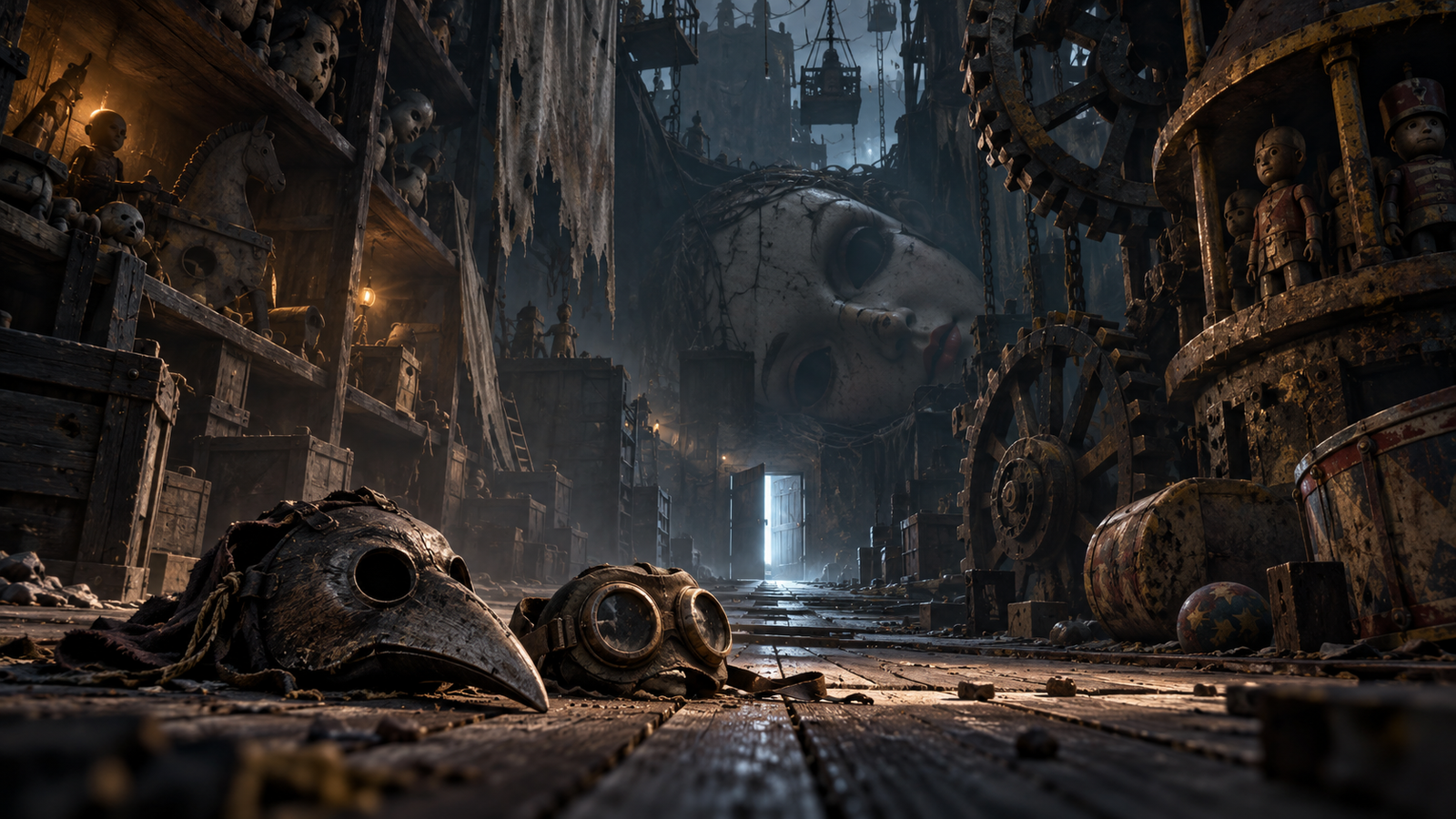
The world is designed to make players uncomfortable without explaining everything they encounter. Enormous structures, abandoned spaces, disturbing decorations, and oversized enemies contribute to the feeling that the protagonists are insignificant in a world they cannot understand.
This approach remains faithful to the franchise’s storytelling philosophy. Rather than explaining every event through dialogue or lengthy cutscenes, the game encourages players to interpret what they see.
For fans who enjoy environmental storytelling, this creates an engaging experience. A seemingly ordinary object may reveal something about a location’s history, while the behavior of an enemy can suggest a disturbing connection to the surrounding environment.
However, players who prefer clear narratives may find the story frustratingly ambiguous. The game prioritizes atmosphere and visual storytelling over detailed explanations, meaning that some questions may remain unanswered even after completing the adventure.
Overall, the Spiral provides an effective setting for another disturbing journey, although the experience depends heavily on how much players enjoy interpreting mysterious worlds for themselves.
Low and Alone: Two New Protagonists
A major change in Little Nightmares III is its introduction of two playable characters: Low and Alone.
Both characters are children trying to survive a world filled with threats far larger and more powerful than themselves. Their designs fit the franchise’s recognizable visual identity, emphasizing vulnerability while giving each protagonist a distinct personality through appearance, movement, and equipment.
Low carries a bow, which allows him to interact with objects and reach certain environmental targets. Alone uses a wrench, providing a practical way to break obstacles and manipulate mechanisms.
These tools are more than simple character accessories. They influence how players approach puzzles and encourage cooperation throughout the adventure.
For example, Low can use his bow to activate distant objects, while Alone can use her wrench to destroy barriers or interact with machinery. Certain situations require players to combine their abilities, making teamwork an important part of progression.
The two-character approach also adds variety to the experience. Instead of controlling a single protagonist throughout the entire adventure, players must understand how each character contributes to solving problems.
Nevertheless, Low and Alone face the challenge of following memorable characters from previous games. Their identities and relationship develop primarily through actions and environmental situations rather than extensive dialogue.
Players looking for deeply developed personalities may wish the game offered more opportunities to understand the protagonists. However, their quiet presence fits the series’ established approach to storytelling.
Gameplay: Familiar Mechanics With New Ideas
At its core, Little Nightmares III retains the side-scrolling adventure structure that defines the franchise.
Players explore environments, climb obstacles, move objects, hide from enemies, solve puzzles, and carefully navigate dangerous situations. The controls are relatively accessible, allowing newcomers to understand the basic mechanics without requiring extensive tutorials.
However, simplicity does not necessarily mean that the game is easy.
Environmental challenges often require careful observation and accurate timing. A seemingly inaccessible platform might become reachable by moving a nearby object, while a locked passage may require players to activate a mechanism elsewhere.
The game also emphasizes stealth and survival. Low and Alone are not powerful action heroes, and confronting large enemies directly is generally not an option. Instead, players must identify hiding places, study enemy movements, and choose the right moment to move.
This vulnerability is essential to the horror experience. Every dangerous encounter reinforces the idea that the protagonists are surviving through intelligence and cooperation rather than strength.
The addition of character-specific tools introduces a fresh layer to familiar mechanics. Players must consider which character can interact with particular objects and how their abilities work together.
Although the overall structure remains recognizable, the combination of exploration, stealth, platforming, and cooperation gives the adventure its own identity.
Players who enjoyed the previous entries will feel comfortable with the basic gameplay, while newcomers should find the mechanics approachable.
However, anyone expecting a dramatic transformation into a complex action-horror game should adjust their expectations. Little Nightmares III remains focused on atmospheric exploration and environmental problem-solving.
Cooperative Gameplay: The Biggest Change
The most significant gameplay feature is the introduction of cooperative play.
Unlike the previous main entries, which primarily centered on a single-player experience, Little Nightmares III is designed around two protagonists who can work together to overcome obstacles.
Players can experience the adventure with another person through online cooperative play. Alternatively, those who prefer playing alone can control one character while the other is handled by artificial intelligence.
This design creates opportunities for puzzles that depend on coordination. One character may need to hold a mechanism while the other passes through an opening, or one player may need to activate an object that allows the other to progress.
Cooperative gameplay also changes the emotional atmosphere. Sharing a frightening encounter with a friend can make the experience feel less isolating, but it can also create memorable moments when both players must react quickly to a threat.
Playing with another person may be particularly enjoyable for fans who like discussing puzzles and planning their next move together.
However, cooperative horror presents a potential disadvantage. Some of the tension in the earlier games came from feeling completely alone in a hostile environment. Communicating with another player can reduce that sense of isolation, especially when both players joke about frightening encounters.
The single-player option preserves much of the original atmosphere, although the experience naturally differs from playing alongside another person.
It is also important to understand the cooperative limitations before purchasing. The game’s advertised cooperative mode is online, so players seeking a traditional local split-screen or shared-screen experience should verify the available options for their platform before buying.
Ultimately, cooperative gameplay is an appealing addition, but its value depends on whether players prefer shared adventures or solitary horror experiences.
Puzzles: Observation Matters More Than Speed
Puzzle-solving has always been central to the Little Nightmares formula, and the third entry continues that tradition.
The puzzles generally revolve around environmental interaction, object manipulation, platforming, and the abilities of Low and Alone. Players must examine their surroundings carefully to discover the intended solution.
Some challenges involve reaching switches or manipulating objects, while others require players to coordinate their movements to access previously unreachable areas.
The character-specific equipment gives these puzzles a distinct identity. Low’s bow can interact with distant targets, while Alone’s wrench can help overcome physical obstacles.
These abilities encourage players to think about their surroundings differently. Rather than repeatedly attempting the same action, successful progression often depends on identifying the correct tool for the situation.
The best puzzles create a satisfying balance between challenge and discovery. They allow players to experiment without making every solution immediately obvious.
Environmental clues also contribute to the experience. Lighting, object placement, architecture, and enemy behavior can provide subtle hints about what to do next.
However, players accustomed to complicated puzzle games may find some challenges relatively straightforward. The game prioritizes atmosphere and progression rather than presenting every room as a demanding logic problem.
Occasionally, environmental navigation may also require trial and error, particularly when the intended interaction is not immediately apparent.
Despite these limitations, puzzle-solving remains one of the game’s strongest elements. It gives players meaningful reasons to explore while reinforcing the importance of cooperation and careful observation.
Horror and Atmosphere: Unsettling Rather Than Constantly Terrifying
The Little Nightmares franchise is known for creating horror through atmosphere, and the third entry continues to emphasize disturbing imagery, uncomfortable environments, and unsettling enemy designs.
Instead of relying exclusively on sudden scares, the game builds tension gradually. Players may hear strange sounds, notice something moving in the background, or discover a disturbing figure watching from a distance.
These details encourage players to remain alert even when nothing immediately threatens them.
The game’s scale also contributes to its horror. Ordinary objects and architectural features can appear enormous compared with Low and Alone, making the protagonists seem powerless.
Enemies are designed to feel threatening through their appearance and behavior. Their movements, proportions, and relationship with the environment create a sense of danger without requiring extensive exposition.
Sound design plays an important role as well. Environmental noises, footsteps, mechanical sounds, and changes in the musical atmosphere help communicate danger.
Silence can be particularly effective. When a location becomes unexpectedly quiet, players may begin anticipating an encounter before anything actually happens.
This approach makes the experience suitable for players who enjoy psychological tension and atmospheric horror more than relentless action.
However, the game’s horror may not affect everyone equally. Experienced horror fans might recognize familiar techniques, while players who prefer faster-paced scares may find some sequences deliberately slow.
The visual presentation can also be disturbing, making the game less suitable for younger children or anyone uncomfortable with grotesque imagery.
Overall, Little Nightmares III understands that horror often becomes more effective when the player has time to imagine what might happen next.
Graphics and Visual Design
Visually, Little Nightmares III maintains the franchise’s distinctive combination of detailed environments, exaggerated proportions, and unsettling character designs.
The world frequently resembles a miniature nightmare constructed from oversized objects, strange architecture, and decaying spaces. This creates a strong contrast between the small protagonists and the environments they must navigate.
Lighting is particularly important. Shadows conceal details, while carefully placed light sources direct attention toward objects, pathways, and potential threats.
The visual composition also helps communicate the story. Rather than explaining every location through dialogue, the game uses environmental details to establish its mood and suggest what might have happened there.
Character animation contributes to the atmosphere. Small movements and changes in posture can make the protagonists appear frightened, cautious, or uncertain.
The environments are designed to encourage exploration, rewarding players who pause to examine details instead of rushing toward the next objective.
Compared with games that prioritize realism, Little Nightmares III relies on artistic direction rather than technical spectacle alone. Its visual identity is based on creating a coherent and unsettling world.
Some players may nevertheless find the overall aesthetic familiar because it builds on ideas established by the earlier games.
For fans of the series, this consistency is likely to be a strength. For players seeking a radically different visual experience, the presentation may feel more evolutionary than revolutionary.
Sound Design and Music
Sound is essential to the effectiveness of atmospheric horror, and Little Nightmares III uses it to strengthen the connection between the player and the environment.
The soundtrack supports the mood without constantly demanding attention. During quieter sections, environmental sounds often become more noticeable, allowing players to appreciate the details of each location.
Mechanical noises, distant movements, and threatening sound cues can create tension before an enemy becomes visible.
This is especially effective during stealth sequences. Players must remain aware of their surroundings while deciding when it is safe to move.
Music can also intensify dangerous encounters, helping distinguish exploration from moments when immediate survival becomes the priority.
The combination of sound and visual storytelling makes many situations more memorable than they would be through graphics alone.
However, the effectiveness of the soundtrack depends partly on the player’s setup. Playing with headphones can make subtle environmental cues easier to appreciate, while television speakers may not provide the same level of immersion.
For the best experience, players should use an audio setup that allows them to hear quieter details without making louder sequences uncomfortable.
Performance and Technical Experience
Technical performance is an important consideration for any modern game, particularly one that relies on precise movement, timed interactions, and atmospheric presentation.
In Little Nightmares III, smooth controls and consistent performance help maintain immersion. Unexpected stuttering, delayed inputs, or technical interruptions can make challenging sequences more frustrating.
Because performance can vary by platform, system configuration, and subsequent updates, players should consult current platform-specific reports before purchasing.
The same applies to cooperative play. Online sessions depend on connection quality, and network problems can interrupt otherwise enjoyable experiences.
Players using older hardware should review the official system requirements and supported platforms to ensure compatibility.
It is also sensible to check recent player feedback for reports involving crashes, graphical problems, control issues, or cooperative connectivity.
These considerations do not automatically make the game a poor choice, but they matter when deciding whether to buy it immediately or wait for updates and potential discounts.
A horror adventure depends heavily on immersion, so technical reliability is more important than it might be in a game designed around short, independent matches.
Replay Value and Overall Content
The main appeal of Little Nightmares III comes from experiencing its world, solving its puzzles, and discovering the dangers facing Low and Alone.
Once players understand the solutions to environmental challenges, a second playthrough may feel less mysterious. Nevertheless, replaying sections can help players notice visual details they missed during their first adventure.
The cooperative mode provides another reason to revisit the experience. Players who initially completed the game alone may enjoy exploring it with a friend, while cooperative players might switch characters or help another person experience the story.
The game’s appeal will therefore depend on individual preferences.
Players who enjoy short, atmospheric adventures may find the experience satisfying, especially if they appreciate artistic storytelling and carefully designed encounters.
Those seeking dozens of hours of progression, extensive character customization, or a large collection of optional activities may find the experience less compelling.
Replay value should also be considered alongside the purchase price. A game that delivers a memorable, tightly focused adventure can still offer good value, but its length and structure should match the buyer’s expectations.
Before purchasing, check the current edition details and official product listing to confirm what content is included.
What We Liked
Distinctive atmosphere: The unsettling environments, unusual character designs, and environmental storytelling preserve the franchise’s identity.
Two playable protagonists: Low and Alone bring different tools and encourage players to approach puzzles creatively.
Cooperative gameplay: Online cooperation creates opportunities for teamwork and shared horror experiences.
Environmental puzzles: Challenges reward observation, experimentation, and the effective use of character abilities.
Sound and visual design: The combination of lighting, sound, animation, and scale helps create an immersive nightmare.
Accessible mechanics: The basic controls are easy to understand, making the game approachable for newcomers to the series.
What Could Be Better
Familiar formula: Some mechanics and horror techniques may feel predictable to players who have completed previous entries.
Limited character dialogue: The protagonists’ personalities and motivations are communicated indirectly, which may leave some players wanting more narrative detail.
Cooperative requirements: Players looking for a local multiplayer experience should check the available options before purchasing.
Potentially straightforward puzzles: Experienced puzzle-game fans may find some environmental challenges less demanding than expected.
Replay limitations: Players primarily interested in extensive progression or substantial post-game content may find fewer reasons to return after finishing the adventure.
Technical considerations: Performance and online connectivity should be evaluated for the specific platform and version being purchased.
Who Should Play Little Nightmares III?
Little Nightmares III is particularly suitable for players who enjoy atmospheric horror, environmental puzzles, stealth gameplay, and imaginative world design.
Fans of the previous games will likely appreciate the familiar visual style and the opportunity to explore another unsettling world.
Players who enjoy cooperative adventures may also find the two-character structure appealing, especially when playing with a friend who enjoys solving puzzles and exploring mysterious environments.
Newcomers can approach the game without necessarily having completed every earlier entry, although familiarity with the franchise may help them appreciate its recurring themes and visual language.
The game may be less appealing to people who prefer fast-paced combat, detailed dialogue, extensive customization, or horror experiences built primarily around frequent jump scares.
It is also worth considering how you prefer to play. If you enjoy sharing discoveries with another player, cooperative mode may be a major advantage. If isolation is central to your enjoyment of horror, playing alone may be more satisfying.
Final Verdict: Is Little Nightmares III Worth Playing?
Little Nightmares III offers another atmospheric journey into a world where ordinary spaces become disturbing, small protagonists face overwhelming dangers, and survival depends on observation rather than strength.
Its strongest features are its environmental storytelling, unsettling visual design, soundscape, character-specific tools, and cooperative gameplay. Together, these elements create an experience that remains faithful to the franchise while introducing a meaningful change to its traditional structure.
However, the game is not a complete reinvention. Its familiar mechanics, indirect storytelling, and emphasis on environmental puzzles may not satisfy players looking for a radically different horror experience.
So, is Little Nightmares III worth playing? Yes, especially if you enjoy atmospheric horror, creative environmental puzzles, and cooperative adventures. Fans of the previous entries should find plenty to appreciate, while newcomers can discover a distinctive horror world built around exploration and vulnerability.
If you are uncertain about the purchase, compare the current price, platform performance, and cooperative options before deciding. Waiting for a discount may also make sense if you are primarily interested in a short, focused adventure rather than a game with extensive replay systems.
Ultimately, Little Nightmares III is best approached as an atmospheric horror adventure rather than a traditional action game. Its greatest strength is its ability to make players feel small, uncertain, and constantly aware that something dangerous may be waiting just beyond the next doorway.
For the right audience, that experience makes the journey worthwhile.